Home › What we buy › Cuban and Latin American coins
Selling Cuban and Latin American coins in Miami
Cuban star pesos and gold, Mexican centenarios, Peruvian 100 soles, Colombian gold and the silver of a dozen countries. Sorted by country and metal and priced on what each coin holds.
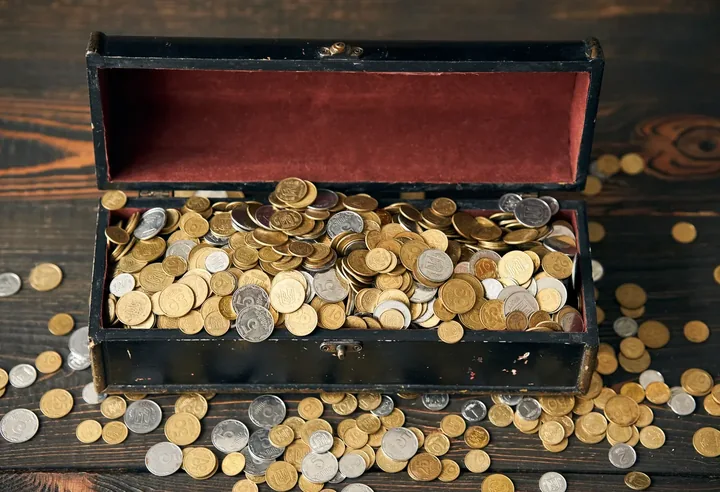
Coins that came from home
Cuban families who left after 1959 often managed to bring a few things: a gold medal, a ring, a handful of silver pesos. Those coins carry a lot of memory, and many families keep one or two and sell the rest.
Families from Mexico, Peru, Colombia and Venezuela brought gold coins as savings, because gold traveled better than local currency. Those coins are still in Miami safes, and we see them every week.
Mexican gold and silver
Mexican 50 peso centenarios are the most common Latin American gold coin we see. Mexico also restruck smaller gold coins in 20, 10, 5, 2.5 and 2 peso sizes for decades. Mexican silver ranges from the colonial 8 reales to the 72 percent pesos of the 1920s and 1930s and the large silver commemoratives of the 1950s and 1960s.
South American gold
Peru struck gold 100, 50, 20, 10 and 5 soles coins from 1950 to 1970, all 90 percent gold, and many families kept them as savings. Colombia struck gold 5 and 2.5 pesos in the early 1900s. Chile struck gold 100 pesos for decades. Each is bought on its gold content, with premiums for some dates.
Central American and Caribbean silver
Older silver coins from Guatemala, Honduras, El Salvador, Nicaragua, the Dominican Republic and other countries in the region carry silver value, and some carry collector premiums. Modern base-metal coins from the same countries are worth little. We sort by country and metal.
Spanish colonial silver
Spanish 8 reales, the original pieces of eight, circulated across the Caribbean for three centuries. They were struck at Mexico City, Lima, Potosí and other mints, and many are worth well above their silver. Each one is examined and priced on its mint, date and condition.
Restrikes and copies
Mexico has restruck its 1947 50 peso and its 1945 2 peso for decades, and the restrikes hold the same gold as the originals, so they sell on gold. Copies are a different story. Fake 8 reales, brass Cuban gold pieces and plated centenarios turn up in Miami flea markets and in some family boxes. We weigh, measure and test each coin and show you any we think are not genuine.
Selling some and keeping some
Plenty of families keep a coin from the old country and sell the rest. Every coin goes on its own line on the sheet, so you can pull out the star peso your grandfather carried and still sell the centenarios beside it.
Coins we buy
- Cuban silver pesos from 1915 to 1939
- Cuban gold coins from 1915 and 1916
- Cuban 1953 Martí commemoratives
- Mexican 50 peso centenarios and other gold
- Peruvian 100 soles and other Peruvian gold
- Colombian and Chilean gold coins
- Old silver from across Latin America
- Spanish colonial silver
How Latin American coins are priced
Gold coins sell on their gold content first. A Mexican 50 peso holds 37.5 grams of pure gold. A Peruvian 100 soles holds about 42 grams. A Colombian 5 pesos holds a little over 7 grams. Most sell close to their gold value, and some dates carry collector premiums.
Silver coins vary widely by country and era. Cuban pesos before 1939 are 90 percent silver. Many other Latin American silver coins dropped in purity over the century. We test anything unclear and price the silver each coin actually holds.
Further reading: Cuban coin values: pesos, gold and Martí coins
Questions families ask
Are Cuban star pesos silver?
Yes. Cuban pesos from 1915 to 1934, with a star on the front, are 90 percent silver. So are the ABC pesos of 1934 to 1939.
Do you buy Peruvian gold?
Yes. Peruvian 100 soles and smaller gold coins are bought on their gold content.
Are post-1959 Cuban coins worth anything?
Most circulating coins after 1959 are base metal and worth little. Some collector issues are silver.
Request a free appraisal
We call back the same day. Se habla español.